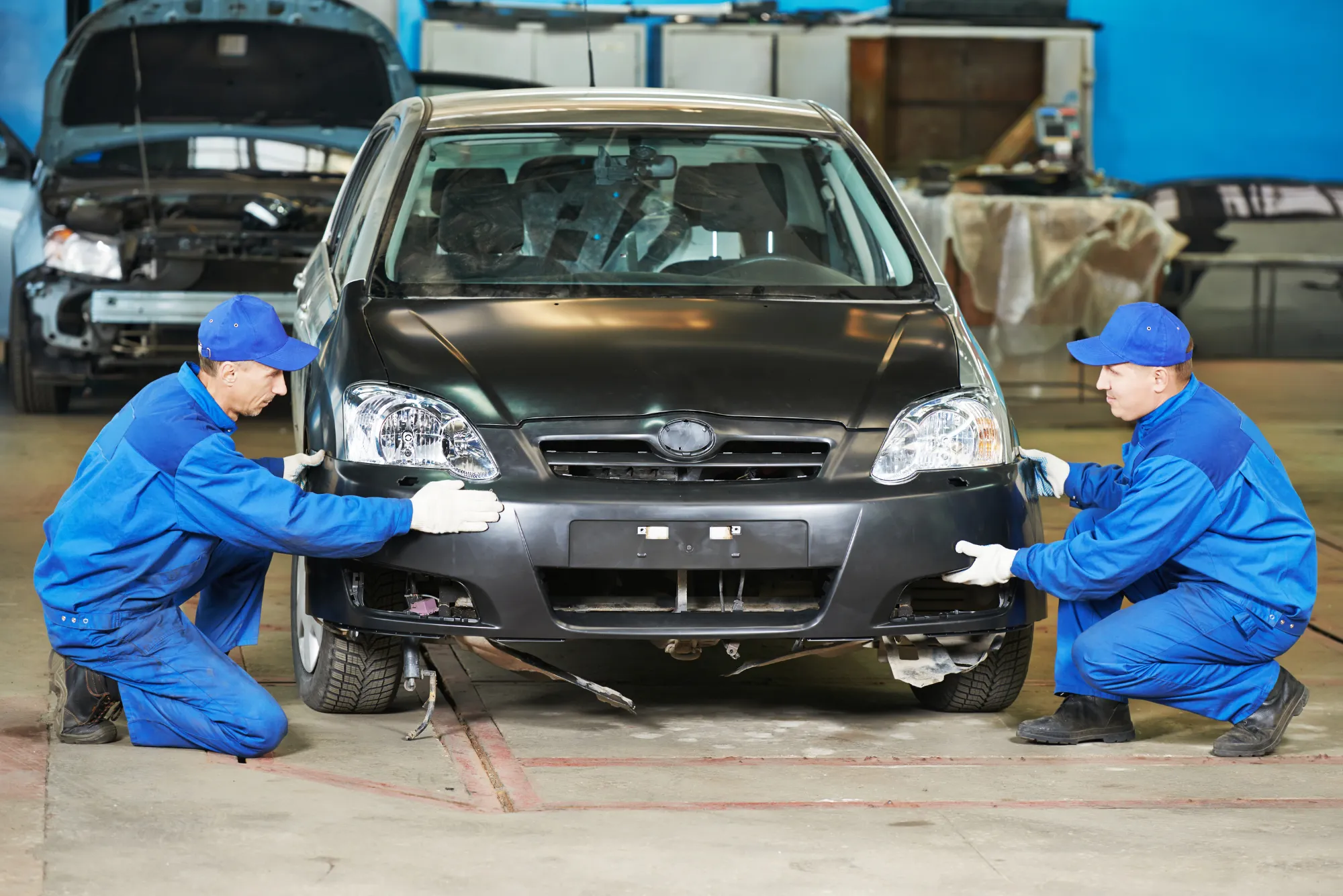

Best Automobile Buying Tips for Budget Conscious Drivers
Buying a vehicle is one of the biggest financial decisions most people make. Whether you are purchasing your first car or replacing an older model, making the right choice requires careful planning. The Best Automobile Buying Tips for Budget Conscious Drivers can help you avoid expensive mistakes while ensuring you get a dependable vehicle that fits your lifestyle and finances.
Many buyers focus only on the purchase price, but long-term ownership costs matter just as much. Insurance, maintenance, fuel efficiency, depreciation, and financing all affect the total cost of owning a vehicle. By understanding these factors before shopping, you can confidently choose a car that offers excellent value.
This guide explains the Best Automobile Buying Tips for Budget Conscious Drivers, helping you make informed decisions while staying within your budget.
Why Budget Planning Matters Before Buying a Vehicle
Before visiting dealerships or browsing online listings, determine exactly how much you can comfortably afford. A realistic budget prevents emotional buying decisions and reduces financial stress later.
Many financial experts recommend considering the total ownership cost rather than only the monthly payment. Fuel expenses, registration fees, insurance premiums, maintenance, and future repairs should all fit within your monthly finances.
Creating a complete budget also helps narrow your search. Instead of comparing hundreds of vehicles, you can focus only on models that meet your financial goals.

Understanding the True Cost of Vehicle Ownership
The sticker price tells only part of the story. One of the Best Automobile Buying Tips for Budget Conscious Drivers is calculating lifetime ownership costs before making a purchase.
A less expensive vehicle may require costly repairs, while a slightly more expensive model may save thousands through better fuel economy and higher reliability. Maintenance schedules, replacement parts, and insurance premiums should all be researched beforehand.
Depreciation is another important factor. Some vehicles lose value quickly during the first few years, while others retain resale value much longer. Choosing a vehicle with strong resale value reduces long-term ownership costs.
Comparing New and Used Vehicles
One of the biggest decisions buyers face is choosing between a new or used vehicle.
A new car offers the latest technology, manufacturer warranties, and minimal maintenance during the first few years. However, new vehicles depreciate rapidly after purchase.
Used vehicles often provide better value because the previous owner absorbs most depreciation. Certified pre-owned vehicles can offer an excellent balance between affordability and reliability since they usually undergo inspections and include limited warranties.
Budget-conscious drivers should compare the total ownership costs instead of assuming either option is automatically better.
Vehicle Cost Comparison
| Buying Factor | New Vehicle | Used Vehicle |
|---|---|---|
| Purchase Price | Higher | Lower |
| Depreciation | Faster | Slower |
| Warranty Coverage | Full Manufacturer Warranty | Limited or None |
| Insurance Cost | Usually Higher | Often Lower |
| Maintenance During Early Years | Lower | May Be Higher |
| Overall Budget Value | Good for Long-Term Ownership | Excellent Initial Savings |
Choosing a Reliable Vehicle Instead of a Luxury Model
Reliability should always come before appearance or luxury features.
Some vehicles earn excellent reputations because they require fewer repairs over many years. Research owner satisfaction, repair histories, and maintenance records before making your decision.
A dependable vehicle reduces unexpected expenses and provides greater peace of mind. Budget-conscious buyers often benefit more from reliability than premium interiors or advanced entertainment systems.
The Best Automobile Buying Tips for Budget Conscious Drivers always prioritize long-term dependability over unnecessary upgrades.
Fuel Efficiency Can Save Thousands
Fuel economy significantly impacts your annual transportation expenses.
Drivers with long daily commutes should pay close attention to fuel consumption ratings. Even a small improvement in mileage can produce substantial savings over several years.
Hybrid vehicles may cost slightly more initially but often reduce fuel expenses enough to offset the higher purchase price. However, buyers should compare maintenance costs alongside fuel savings before deciding.
Efficient vehicles also tend to produce lower emissions, making them environmentally responsible choices.
Financing Smartly Instead of Borrowing More
Financing affects the total cost of any automobile purchase.
A lower interest rate can save hundreds or even thousands throughout the loan period. Before visiting dealerships, compare financing options through banks, credit unions, and other lenders.
Avoid extending loan terms simply to reduce monthly payments. Longer loans generally increase total interest paid.
Making a larger down payment also reduces monthly payments and lowers total borrowing costs.
Following these Best Automobile Buying Tips for Budget Conscious Drivers can help buyers maintain healthier personal finances.
Inspecting Every Used Vehicle Carefully
Buying a used vehicle without an inspection increases financial risk.
A professional mechanic can identify hidden mechanical issues that may not be obvious during a short test drive. Spending a small amount on an inspection can prevent expensive repairs later.
Review maintenance records whenever available. Vehicles with documented service histories generally receive better care throughout ownership.
Pay attention to tire wear, brake condition, engine performance, suspension, and transmission operation during the inspection process.
Taking a Proper Test Drive
Never purchase a vehicle without driving it first.
A comprehensive test drive allows you to evaluate steering, braking, acceleration, visibility, seating comfort, road noise, and handling.
Drive on different road types whenever possible. City streets, highways, and uneven roads reveal different aspects of vehicle performance.
Listen carefully for unusual sounds that may indicate mechanical problems.
A thoughtful test drive remains one of the Best Automobile Buying Tips for Budget Conscious Drivers because it reveals issues that photographs never show.
Negotiating the Purchase Price
Many buyers hesitate to negotiate, yet doing so can produce meaningful savings.
Research current market values before discussing price. Knowing average selling prices strengthens your negotiating position.
Remain patient during negotiations. Sellers often become more flexible when buyers demonstrate confidence and preparation.
Avoid focusing exclusively on monthly payments. Instead, negotiate the total purchase price before discussing financing.
Being willing to walk away often leads to better offers.
Understanding Insurance Costs Before Buying
Insurance premiums vary significantly between vehicle models.
Sports cars and luxury vehicles typically cost more to insure than practical family sedans or compact SUVs.
Request insurance quotes before finalizing your purchase. This simple step prevents unpleasant financial surprises after buying the vehicle.
Budget-conscious drivers should always include insurance in their overall affordability calculations.
Planning for Future Maintenance
Every vehicle eventually requires maintenance.
Routine oil changes, brake replacements, tire rotations, battery replacements, and fluid services contribute to ownership expenses.
Choosing a vehicle with affordable replacement parts can significantly reduce maintenance costs over many years.
Reading owner forums and reliability studies provides valuable insight into common repair issues associated with different models.
Following preventive maintenance schedules also helps avoid larger repair bills later.
Avoiding Common Buying Mistakes
Many buyers make emotional decisions instead of financial ones.
Shopping without research often leads to paying more than necessary. Skipping inspections increases the risk of purchasing unreliable vehicles. Ignoring ownership costs creates long-term financial pressure.
Impulse buying can also result in selecting features that provide little practical value.
The Best Automobile Buying Tips for Budget Conscious Drivers encourage thoughtful planning, careful comparison, and patient decision-making.
Building Long-Term Value From Your Purchase
A vehicle should serve your transportation needs for many years.
Choosing quality over unnecessary luxury often results in greater satisfaction. Regular maintenance preserves resale value while reducing repair costs.
Keeping detailed maintenance records also increases buyer confidence when selling the vehicle in the future.
Responsible ownership extends vehicle life and maximizes every dollar invested.
Frequently Asked Questions
What is the best automobile buying tip for budget conscious drivers?
The most important advice is to calculate the total ownership cost rather than focusing only on the purchase price. Fuel, insurance, maintenance, financing, and depreciation all affect your overall budget. Following the Best Automobile Buying Tips for Budget Conscious Drivers helps ensure long-term financial savings.
Is it better to buy a new or used car on a budget?
A quality used vehicle often provides better value because it avoids rapid depreciation. However, a new vehicle may cost less to maintain during the first several years. The right choice depends on your budget, driving habits, and long-term plans.
How much should I spend on a vehicle?
Choose an amount that comfortably fits your monthly income after accounting for insurance, fuel, maintenance, and other living expenses. Avoid stretching your finances for features you do not truly need.
Should I get a vehicle inspected before buying?
Yes. A professional inspection can uncover hidden mechanical problems that could become expensive after purchase. This small investment often prevents much larger repair costs.
How can I negotiate a better vehicle price?
Research market prices before visiting sellers. Stay patient during negotiations, focus on the total purchase price, and avoid making emotional decisions. Buyers who are well prepared usually achieve better deals.
Conclusion
Finding the right vehicle does not require spending beyond your means. The Best Automobile Buying Tips for Budget Conscious Drivers focus on careful planning, realistic budgeting, thorough research, and smart financial decisions. By considering ownership costs, comparing new and used vehicles, checking reliability, inspecting every car carefully, and negotiating confidently, you can purchase a dependable automobile without compromising your financial stability.
Making informed choices today can save thousands of dollars throughout your years of ownership. Take time to compare your options carefully, review every cost involved, and buy only when you feel completely confident in your decision. Following the Best Automobile Buying Tips for Budget Conscious Drivers will help you enjoy reliable transportation while protecting your budget for years to come.
sharpinner.com is a helpful platform that provides useful insights, tips, and updated information across various topics. It aims to deliver simple, clear, and valuable content for users looking to improve knowledge, skills, and decision-making. The website focuses on quality resources and user-friendly guidance for everyday needs. It is designed to be informative and easy to navigate for all users.
Related Reading: Best Automobile Maintenance Habits for Every Driver