
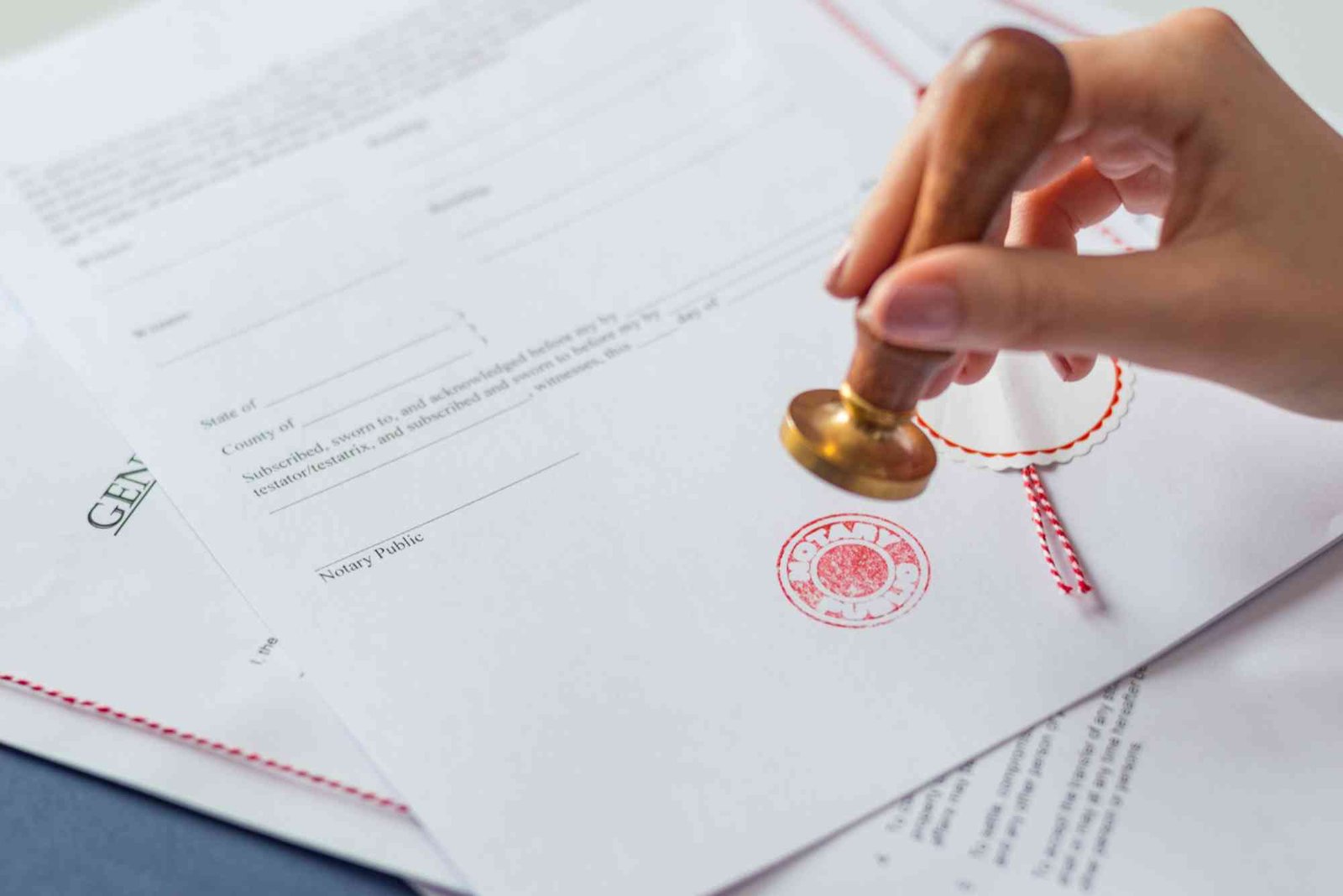
What Documents Can Be Notarized by a Notary Public in Dubai
Individuals and businesses in the UAE frequently require notarization for a wide range of legal, financial, and personal matters. Understanding what a Notary Public Dubai can notarize helps ensure your documents meet legal requirements and remain valid for use inside the UAE and abroad. Many people seek guidance from experienced Dubai Lawyers when dealing with notarization because a single missing clause or incorrect format can delay transactions, court processes, or government approvals.
What Is the Role of a Notary Public in Dubai?
A notary public is an officially authorized professional empowered by UAE law to verify identities, witness signatures, authenticate documents, and certify that legal transactions meet all formal requirements. The objective is to prevent fraud, ensure transparency, and confirm that parties signing a document do so willingly and with full understanding.
Notarization is mandatory in many legal processes in the UAE, especially for corporate agreements, personal authorizations, property transactions, and sworn declarations.
Common Documents Notarized in Dubai
Below are some of the most frequently notarized documents. The specific requirements may vary depending on whether the document is for local or international use.
Power of Attorney (POA)
One of the most common needs for notarization. Individuals and companies often execute POAs to authorize someone to:
- Represent them in government departments
- Handle property or real estate matters
- Manage legal disputes
- Sign contracts or agreements
A well-drafted POA often involves legal input from Dubai Lawyers to ensure it includes the correct scope of authority.
Affidavits and Declarations
These include sworn statements affirming facts such as:
- Marital status
- Income verification
- Relationship confirmations
- Loss of passport declarations
- Consent statements
The notary public verifies your identity and ensures the declaration complies with UAE legal standards.
Corporate Resolutions and Board Decisions
Companies operating in the UAE often notarize:
- Shareholder resolutions
- Board meeting minutes
- Appointment or removal of directors
- Capital-related decisions
These documents must follow the correct format to be accepted by authorities such as licensing departments, courts, or banks.
Contract Ratification
Certain agreements must be notarized to be enforceable in the UAE, such as:
- Commercial agency agreements
- Partnership agreements
- Settlement agreements
- Guarantee agreements
Notarizing a contract strengthens its validity and ensures all parties knowingly accept the terms.
Property-Related Documents
Although property registration is done through dedicated authorities, some supporting documents require notarization, including:
- POAs for property transactions
- Undertakings and authorizations
- Gift-related documents
- Certain tenancy or settlement agreements
Notarization helps prevent disputes over ownership or authority.
Will Registration for Non-Muslims
Non-Muslim residents who prepare wills in Dubai may notarize certain supporting documents before registering them with the appropriate court or will registry.
True Copies and Certified Copies
A notary public can certify that a photocopy of an original document is a true and accurate representation. This is often required for:
- Passport copies
- Educational certificates
- Commercial licenses
- Corporate documents
- Birth and marriage certificates
Certified copies are frequently needed for visa applications, bank procedures, and court submissions.
Business Setup and Licensing Documents
Entrepreneurs often require notarization for:
- Memorandum of Association (MOA)
- Local service agent agreements
- Corporate amendments
- Share transfer documents
The UAE business environment places high importance on accurate legal documentation, making notarization essential.
Loan and Financial Undertakings
Banks or financial institutions may require notarized:
- Guarantee documents
- Loan settlement agreements
- Debt acknowledgments
- Payment commitments
These documents carry legal weight and often require careful review before signing.
When Should You Consult a Lawyer Before Notarization?
Notarization confirms the signing and authenticity of documents, but it does not evaluate whether the content protects your rights. This is why many individuals consult experienced Dubai Lawyers to review or draft documents before visiting a notary. Legal support is especially important when the document:
- Creates financial liability
- Transfers property or assets
- Appoints legal authority to another person
- Involves business partnerships
- Contains settlement terms
- Will be used in a court case
- Impacts inheritance or custody rights
A lawyer ensures that your document is legally sound, enforceable, and aligned with UAE law.
What Are the Requirements for Notarization?
Typical requirements include:
- Original passport and Emirates ID
- Draft of the document in Arabic or bilingual format (Arabic is mandatory for notarization)
- Presence of all signatories or legally authorized representatives
- Valid power of attorney if signing on someone’s behalf
Some documents may require translation, attestation, or external approvals before notarization can be completed.
Can Foreign Documents Be Notarized?
Yes, but foreign documents often require:
- Attestation from the issuing country
- UAE Embassy attestation abroad
- Ministry of Foreign Affairs (MOFA) attestation in the UAE
After these stages, they may be notarized or legalized depending on the type of document and its intended use.
Final Thoughts
A Notary Public Dubai plays a crucial role in ensuring the authenticity, legality, and enforceability of documents used in personal, corporate, and financial matters. Whether you are preparing a power of attorney, executing a property transfer, certifying documents, or formalizing a settlement, proper notarization is essential. Many individuals and companies work with experienced Dubai Lawyers to draft, review, and clarify documents before notarization to avoid mistakes and ensure compliance with UAE requirements.
MORE POSTVISIT HERE: