
Introduction
In a world increasingly focused on sustainability, top eco‑friendly packaging materials are no longer a nice‑to‑have; they’re essential. Consumers expect brands to protect not just their products, but the planet too. Eco‑friendly packaging materials help reduce waste, lower carbon emissions, and promote a circular economy. These innovative options offer real solutions to environmental problems caused by traditional plastic and non‑renewable packaging. From compostable fibers to plant‑based bioplastics, each material plays a key role in creating a greener future for businesses and consumers alike.
Understanding how these materials work and where they fit in your product strategy can make the difference between a good brand promise and a truly responsible one. In this article, we’ll explore the most effective sustainable packaging options, how they benefit your business and the environment, and answer common questions people ask before making the switch.
What Does “Eco‑Friendly Packaging Materials” Mean?
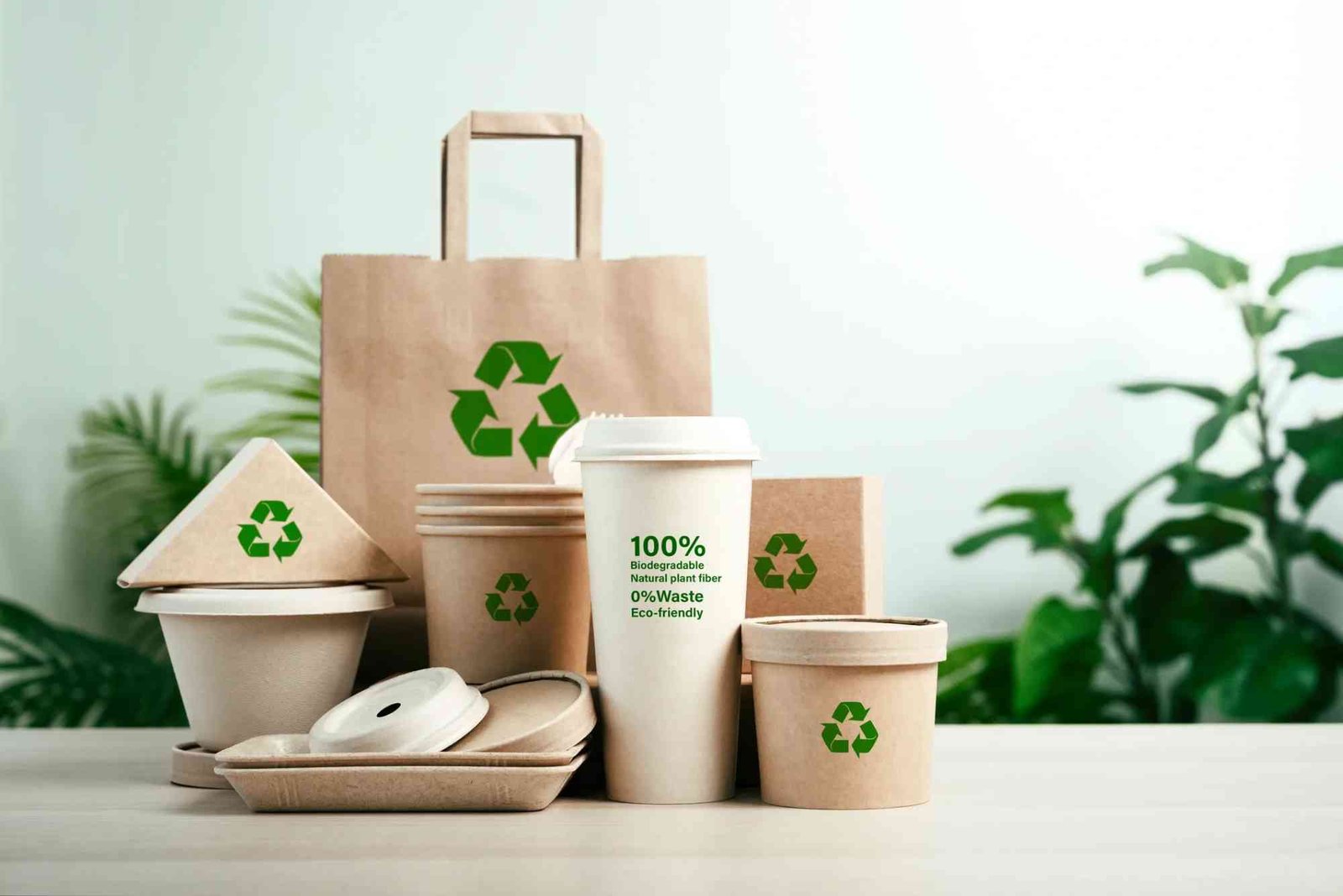
Eco‑friendly packaging refers to packaging solutions sourced from renewable resources, made with minimal environmental impact, and capable of being reused, recycled, composted, or biodegraded without harming ecosystems. These materials differ from traditional plastics in that they significantly reduce pollution and resource extraction throughout their lifecycle. Collections of plant‑based packaging, molded fibers, recycled content, and innovative natural alternatives are all considered eco‑friendly under modern sustainability standards.
Eco‑friendly packaging is designed not just to house products but to align with environmental goals through thoughtful material choice, lower toxicity, and smarter end‑of‑life outcomes. For brands, adopting these materials signals a genuine commitment to environmental stewardship. For consumers, it helps reduce landfill waste and conserve natural resources.
Natural and Plant‑Based Materials
Plant‑based materials are emerging at the forefront of sustainable packaging, offering alternatives that return to nature after use. Cornstarch and fungal mycelium packaging are two examples leading the charge in innovation.
Cornstarch Packaging
Cornstarch is a biodegradable material derived from corn kernels. Unlike petroleum‑based plastics, packaging made from cornstarch breaks down naturally under composting conditions, releasing no harmful toxins. Many companies now use cornstarch for protective packing peanuts, trays, and trays for food. It can even dissolve in water and serves as a marine degradable solution for certain products.

The appeal of cornstarch packaging lies in its renewability and its relatively low environmental footprint compared with conventional plastics. However, while it excels in biodegradability, its strength and temperature resilience can be lower than traditional materials, which means its use must match product requirements.
Mushroom Packaging
One of the most inventive top eco‑friendly packaging materials comes from mushrooms. Mycelium, the root structure of fungi, can be grown around agricultural waste to form packaging shapes that are both strong and fully compostable. This type of packaging decomposes naturally, enriching the soil without leaving harmful residue.
Mushroom packaging is especially useful for cushioning delicate items during shipping. As it grows and decomposes naturally, it offers a closed‑loop lifecycle that aligns with circular economy principles.
Bamboo and Other Plant Fibers
Fast‑growing plants like bamboo and sugarcane produce fibers that can be transformed into robust packaging materials. Bamboo, for example, is strong, biodegradable, and requires minimal water and no pesticides compared with cotton. Similarly, bagasse—the fibrous residue left after sugarcane processing—can be turned into disposable food containers and tableware that are fully compostable.
Top Mistakes FMCG Startups Should Avoid Many FMCG startups fail by ignoring market research, weak branding, poor distribution planning, and inconsistent product quality. Overspending on marketing without understanding the target audience also hurts growth. Startups should focus on customer needs, efficient supply chains, and strong brand positioning to build long-term success.
Fiber‑Based and Recycled Materials
Fiber and recycled materials offer another pathway to sustainability by reusing existing resources and reducing the need for virgin inputs.
Kraft and Recycled Paper
Kraft paper, along with other recycled paper products, remains a staple among eco‑friendly choices. This material is derived from wood pulp and recycled fibers, making it strong, biodegradable, and easier to recycle repeatedly. Its versatility allows for bags, boxes, wraps, and labels for a wide range of products.
When recycled paper is used for packaging, it conserves energy and resources while reducing deforestation and landfill waste. Because paper fibers can be recycled multiple times, they help prolong the usefulness of the original raw materials.
Molded Pulp
Molded pulp uses recycled paper or cardboard that is reshaped into trays, inserts, or protective packaging. Not only is it shock‑absorbing, but it also reduces the need for plastic based inserts. Its widespread use in electronics, food service, and shipping boxes shows how recycled materials can compete with traditional packaging options.
Using recycled content in packaging channels materials back into the economy and helps brands showcase measurable sustainability progress.
Cellulose Packaging
Cellulose is a plant‑derived material often used to create transparent films and wraps for products like fresh produce. It’s biodegradable and compostable, reducing the reliance on fossil fuel‑based plastics. The transparency and strength of cellulose films make them a great replacement for conventional packaging while aligning with sustainable best practices.
Cellulose packaging bridges the gap between performance and environmental responsibility.
Bioplastics and Innovative Polymers
Not all plastics are created equal. Bioplastics offer a middle ground where functional performance meets environmental metrics.
Polylactic Acid (PLA)
PLA is a bioplastic obtained from fermented plant sugars, such as corn or sugarcane. It provides the clarity and durability of conventional plastics while being compostable in proper industrial facilities. PLA packaging is becoming common in food service applications like cups, containers, and cutlery.
While PLA’s compostability requires specific industrial conditions, its reduced carbon footprint and lower reliance on fossil fuels make it a compelling choice for forward‑thinking brands.
Recycled PET (rPET)
Recycled PET uses post‑consumer plastic bottles to create packaging materials that are again recyclable. By diverting plastic from landfills and giving it new life, rPET supports circularity and reduces the demand for virgin petrochemical resources.
Though not fully biodegradable, rPET’s lifecycle benefits make it one of the most practical sustainable alternatives in flexible and rigid packaging.
Benefits of Eco‑Friendly Packaging
Choosing top eco‑friendly packaging materials brings meaningful benefits across environmental, economic, and brand dimensions.
First, these sustainable materials significantly reduce the volume of waste that ends up in landfills and oceans. Unlike plastics that can take centuries to degrade, compostable and biodegradable options break down naturally, minimizing long‑term pollution.
Second, using recycled content lowers energy consumption and carbon emissions in production. Recycled materials often require less energy than manufacturing new plastics or virgin fibers, helping brands reduce their carbon footprint. Customers increasingly prefer brands with strong environmental practices, so sustainable packaging enhances reputation and loyalty.
Finally, many governments and regions now regulate single‑use plastics and incentivize green alternatives. Adopting eco‑friendly materials helps businesses stay ahead of compliance requirements and avoid penalties.
The shift to top eco‑friendly packaging materials is more than a trend—it’s a strategic investment in the planet and your brand’s future. From plant‑based bioplastics to recycled fibers and innovative mushroom‑derived materials, available technologies now offer sustainable performance without compromising quality. These solutions help reduce waste, conserve natural resources, and create a stronger emotional connection with eco‑conscious consumers.
Whether you are launching a new product or updating old packaging, adopting sustainable materials signals leadership, responsibility, and a willingness to be part of the solution. Embrace sustainable packaging now and make a positive impact.
FAQ
What are the most sustainable packaging materials?
Sustainable packaging includes compostable bioplastics like PLA, recycled paper, molded pulp, bamboo, and mushroom‑based materials. The right choice depends on product needs, disposal infrastructure, and recycling availability.
How do eco‑friendly materials reduce environmental impact?
Eco‑friendly materials reduce pollution by using renewable resources, requiring less energy in production, and breaking down naturally after use, unlike traditional plastics that remain in landfills for centuries.
Is biodegradable packaging always better than recyclable packaging?
Not always. Biodegradable materials can decompose naturally, but recyclable materials help keep resources in use longer. The best option depends on your waste management infrastructure.
Can sustainable packaging protect fragile products?
Yes, materials like molded pulp, mushroom packaging, and engineered fiber can provide strong cushioning and protection comparable to traditional plastics.
Discover a wealth of insights and resources at sharpinner.com, your go-to destination for personal growth, self-improvement, and practical tips to sharpen your inner skills. Visit sharpinner.com today and start transforming your mindset and life!