

Introduction
In today’s fast-paced market, understanding what young consumers prefer is essential for any business in the FMCG (Fast-Moving Consumer Goods) space. These products are purchased frequently and consumed quickly, and the preferences of Gen Z and Millennials are reshaping entire industries. As lifestyles evolve, so does demand for quality, convenience, value, and sustainability. This article explores the Top FMCG Products Young Consumers Prefer, why they are popular, and how brands are responding to these shifting trends.
Young consumers are a vital force in the FMCG landscape. They represent a large share of recurrent purchases and have distinct preferences shaped by digital culture, health consciousness, and environmental awareness. Whether grabbing a snack on the go or choosing a skincare product for daily use, their choices reflect broader values that extend beyond price alone. Understanding these preferences helps brands stay ahead and delivers products that resonate deeply with a new generation of shoppers.
What Defines FMCG Preferences Among Young Consumers
Young consumers are unique in how they approach shopping and product selection. Their preferences aren’t random; they are rooted in experience, identity, and convenience. They favor brands that speak to their lifestyle, offer quality, and align with personal values like sustainability. Importantly, this generation relies on social media, peer reviews, and influencer recommendations to guide purchasing decisions.
Many brands have embraced this shift by prioritizing transparency and engaging with users through digital platforms. Products that succeed are those that loudly and clearly communicate what they stand for. From nutritional value in snacks to eco-friendly packaging, young consumers evaluate FMCG products on multiple dimensions. These qualities define modern consumer loyalty and shape the future of fast-moving consumer goods globally.
Health and Wellness FMCG Products Young Consumers Prefer
Health and wellness have become central to young consumers’ daily routines. They want products that help them feel good, look good, and maintain energy throughout their busy lives. Today’s young shoppers are more informed than ever; they read labels, seek functional benefits, and often choose alternatives to traditional offerings.
Food and beverage brands have seen growth in segments like plant-based snacks, organic beverages, and products with natural ingredients. Young consumers are attracted to items that deliver nutritional benefits without compromising on taste. They often opt for beverage options with low sugar, natural flavors, or added vitamins. Simultaneously, the market for supplements and functional foods has expanded as young buyers seek convenient ways to support immunity and mental well-being.

Wellness extends beyond nutrition. Personal care products geared toward holistic routines—like organic skincare, cruelty-free cosmetics, and natural hygiene products—are increasingly preferred. These products appeal to a generation that values self-care and ethical consumption. Brands that cater to these interests can cultivate deeper connections and long-term loyalty among younger audiences.
Convenience-Driven FMCG Choices in Daily Life
Convenience is no longer just about speed; it’s about seamless integration into daily life. Young consumers balance academics, careers, social life, and personal time, which means they favor products that save time and effort. From meal replacements to ready-to-use hygiene products, the emphasis is on easy, effective solutions.
In food categories, single-serve options and grab-and-go choices have grown in popularity. Young shoppers value portability and hassle-free preparation, which fits their mobile lifestyles. Beverage brands that offer compact packaging or resealable containers find favor as people juggle schedules and responsibilities.
Household care products also reflect this trend. Multipurpose cleaners, scent-infused wipes, and quick-action detergents reduce complex routines to simplified steps. For many young consumers living independently for the first time, these items offer reassurance and convenience without sacrificing performance. The success of such products is rooted in their ability to deliver reliable results with minimal effort.
Sustainability: A Core Factor in FMCG Preference
Today’s young buyers care deeply about the environment. Sustainability isn’t a buzzword for them; it’s a guiding principle in how they spend money. Whether it’s food, beauty products, or cleaning essentials, they expect brands to minimize environmental impact at every step.
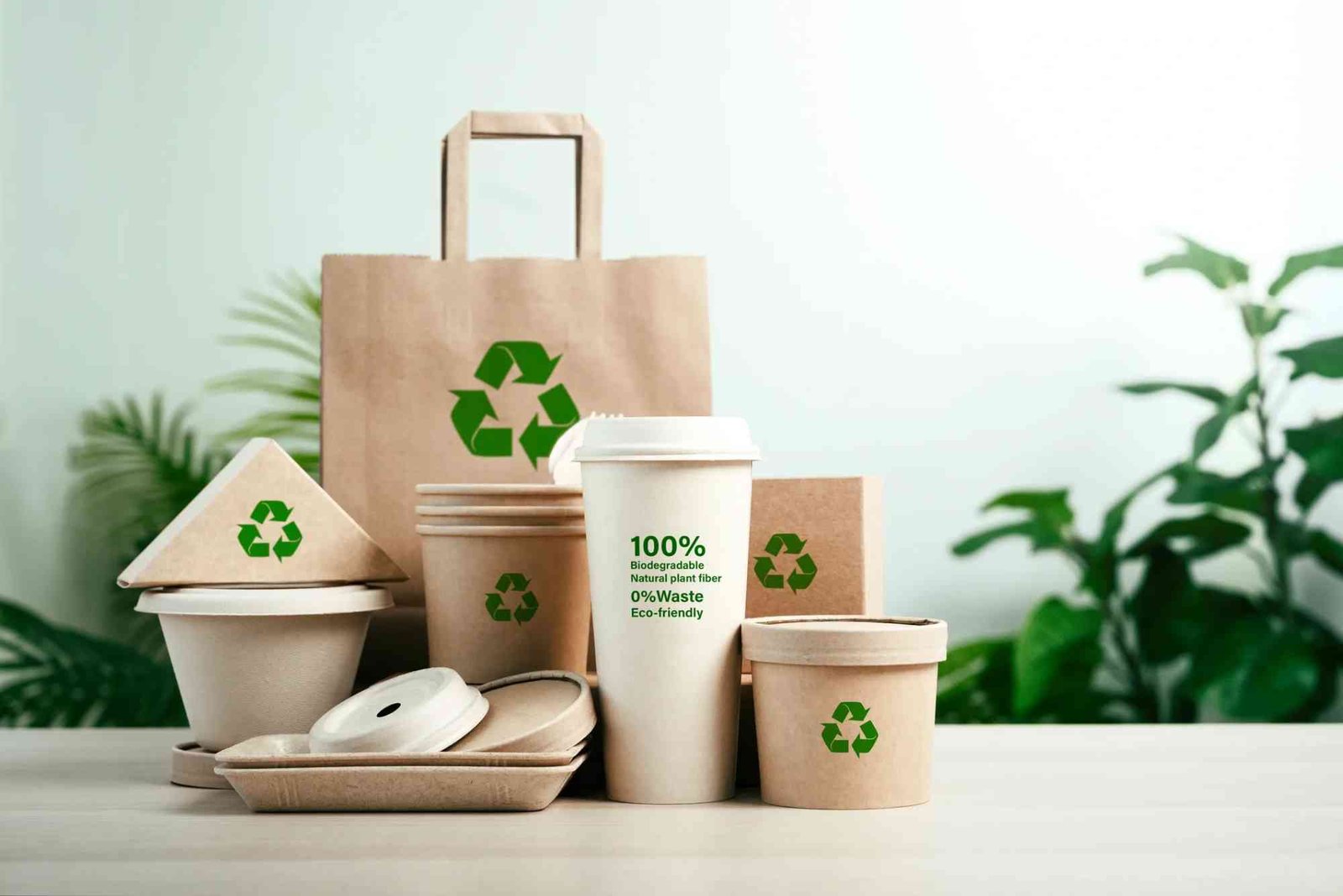
FMCG products with biodegradable packaging, reduced plastic use, and ethically sourced ingredients attract attention. Young consumers are willing to pay a premium for goods that demonstrate genuine environmental responsibility. They investigate claims, research certifications, and often boycott brands that fall short of their values.
Beyond packaging, sustainability extends to brand behavior. Social responsibility campaigns and transparent communication strengthen brand credibility among young consumers. These consumers are vocal online, and they appreciate when companies engage authentically rather than superficially in environmental causes.
Digital Influence on FMCG Buying Decisions
Digital media plays a critical role in shaping preferences among young shoppers. Platforms like TikTok, Instagram, and YouTube influence how products are discovered, evaluated, and ultimately purchased. Viral trends can propel a product from obscurity to mainstream popularity in days.
User-generated content, influencer endorsements, and online reviews inform purchase decisions more than traditional advertising. Young consumers seek social proof before investing in products, especially when price is significant or when the item aligns with personal values. Brands that understand and integrate digital strategies effectively are more likely to win attention.
E-commerce also has transformed how young consumers shop for FMCG products. Online platforms offer convenience, variety, and often better pricing. Subscription services for essentials like personal care and snacks have emerged, appealing to consumers who appreciate routine and predictability. Digital marketplaces thus shape both preference and repetition in purchasing.
Premiumization in FMCG: Young Consumers Willing to Spend More
Contrary to the stereotype that young consumers are always budget-conscious, many are willing to spend more for premium quality. This trend, known as premiumization, reflects a shift in priorities where value is tied to experience and satisfaction rather than cost alone.
In food and drink categories, premium options like craft beverages, artisanal snacks, and specialty nutrition bars attract discerning young buyers. These products offer distinct flavors, niche ingredients, and elevated quality that mainstream offerings often lack. Similarly, in beauty and personal care, premium skincare and grooming products that promise noticeable results enjoy increased demand.
This willingness to invest in higher-end FMCG goods suggests that young shoppers prioritize long-term benefits and sensory experiences. Brands that communicate craftsmanship and measurable results tend to resonate with this segment. This trend challenges companies to innovate beyond basic functionality, pushing the industry toward enhanced product offerings.
Cultural and Social Trends Shaping FMCG Preferences
Culture plays a central role in product preference among young consumers. They are influenced by global trends, diverse tastes, and social movements that redefine norms. For example, global fusion snacks, international beverage flavors, and culturally inspired personal care items have gained traction as young consumers seek diversity in their choices.
Social identity is also pivotal. Products that allow young buyers to express individuality or align with social causes often become favored. Brands that embrace inclusivity, support social justice initiatives, or champion community engagement find a receptive audience among this demographic. They look for brands that reflect their personality and social values, not just their practical needs.
These social and cultural influences shape not only what products young consumers buy but how they talk about them. Word-of-mouth on social platforms magnifies trends, accelerating adoption and shaping collective tastes. In this context, brands must be culturally aware and agile in adapting to emerging interests.
Packaging and Shelf Appeal Matter More Than Ever
While quality is essential, packaging and aesthetics also impact young consumers’ decisions. Eye-catching designs, informative labels, and eco-conscious packaging make a strong first impression. Young buyers often decide within seconds whether a product fits their expectations based on visual appeal alone.
Clear communication on packaging — such as ingredient transparency or usage benefits — builds trust. Young consumers appreciate straightforward, honest messaging that explains exactly what they are purchasing. Minimalist designs with clean fonts and eco-friendly materials often appeal to this audience, reflecting both style and sustainability.
Additionally, interactive packaging elements like QR codes offer deeper engagement. When scanned, these can provide product stories, sustainability commitments, or user tips. This blend of physical appeal and digital interactivity creates a richer experience that resonates with tech-savvy young shoppers.
Emerging FMCG Categories Young Consumers Are Exploring
Innovation in FMCG doesn’t stop at established categories. Young consumers are actively experimenting with emerging products that align with evolving lifestyles. For example, non-alcoholic beverages with functional benefits, adaptive personal care items, and niche snack formats are gaining attention.
Health-forward alternatives to traditional products continue to grow. Items like plant-based dairy substitutes, probiotic drinks, and nutrient-dense snacks cater to health-conscious young consumers. Personal care has also expanded into wellness categories such as aromatherapy-based products and mindfulness-oriented self-care kits.
Moreover, as tech and FMCG converge, digital native brands offering direct-to-consumer experiences are capturing interest. These companies often focus on innovation, customization, and community-building — traits that appeal strongly to younger buyers. Continued disruption in product categories suggests that young consumers will remain a driving force of change in FMCG sectors.
How Brands Can Win Young Consumer Loyalty
To succeed in this competitive landscape, brands must understand what young consumers value most. Authenticity, transparency, and engagement are foundational. Brands should communicate clearly about ingredients, sourcing, and environmental impact. This builds trust and strengthens long-term loyalty.
Engaging with audiences through digital channels, especially social media, enables brands to stay relevant. Listening to feedback and involving consumers in product development can create a sense of ownership and community. Young buyers respond positively when brands demonstrate they are listening and evolving.
Innovation is also crucial. Young consumers appreciate fresh ideas and products that surprise and delight. Whether through new flavors, formats, or experiences, brands that innovate thoughtfully can stand out in a crowded market. Coupling innovation with sustainability and quality creates powerful resonance.
Embracing the Future of FMCG with Young Consumers in Mind
Understanding the Top FMCG Products Young Consumers Prefer is more than identifying trending items. It’s about recognizing the underlying values and motivations that drive choices. Health, convenience, sustainability, digital influence, and cultural relevance all shape preferences today. Brands that embrace these insights can connect meaningfully with young shoppers and build enduring loyalty.
As trends continue to evolve, remaining attentive to consumer signals will remain essential. The future of FMCG lies at the intersection of innovation, authenticity, and purposeful engagement.
Top Challenges in Modern Food Manufacturing Modern food manufacturing faces challenges like rising ingredient costs, stringent safety regulations, and shifting consumer demands for healthier, sustainable options. Companies also struggle with supply chain disruptions, technological integration, and maintaining consistent quality, all while minimizing waste and environmental impact.
Frequently Asked Questions
What FMCG products are most popular with young consumers?
Young consumers often prefer health-focused food and beverage items, innovative personal care products, and eco-friendly household essentials. Their choices reflect convenience, quality, and values.
Why do young consumers prefer sustainable FMCG products?
Sustainability aligns with the priorities of many young shoppers who are concerned about environmental impact. They value brands that demonstrate transparency and social responsibility.
How does digital influence FMCG buying decisions among young consumers?
Social media platforms, reviews, and influencer content significantly impact product discovery and trust. Many young consumers rely on digital feedback before making purchases.
Are young consumers willing to pay more for premium FMCG products?
Yes, young buyers often see premium products as offering better quality, experience, and benefits. They are willing to invest in items that deliver unique value.
How can FMCG brands engage young consumers effectively?
Brands can engage by prioritizing authenticity, sustainability, and digital interaction. Listening to feedback, innovating, and communicating transparently helps build trust and loyalty.
Discover a wealth of insightful resources and practical tips at sharpinner.com. Whether you’re looking to enhance personal growth, explore new ideas, or find inspiration for everyday life, sharpinner.com is your go-to destination for thoughtful content that empowers and informs.
Related Reading: How to Improve Quality Control in FMCG Production
Related Reading: Top Reasons Why FMCG Brands Grow Faster
Related Reading: Top Mistakes FMCG Startups Should Avoid